


Surplus Marketplaces: Turning Excess Inventory Into Revenue
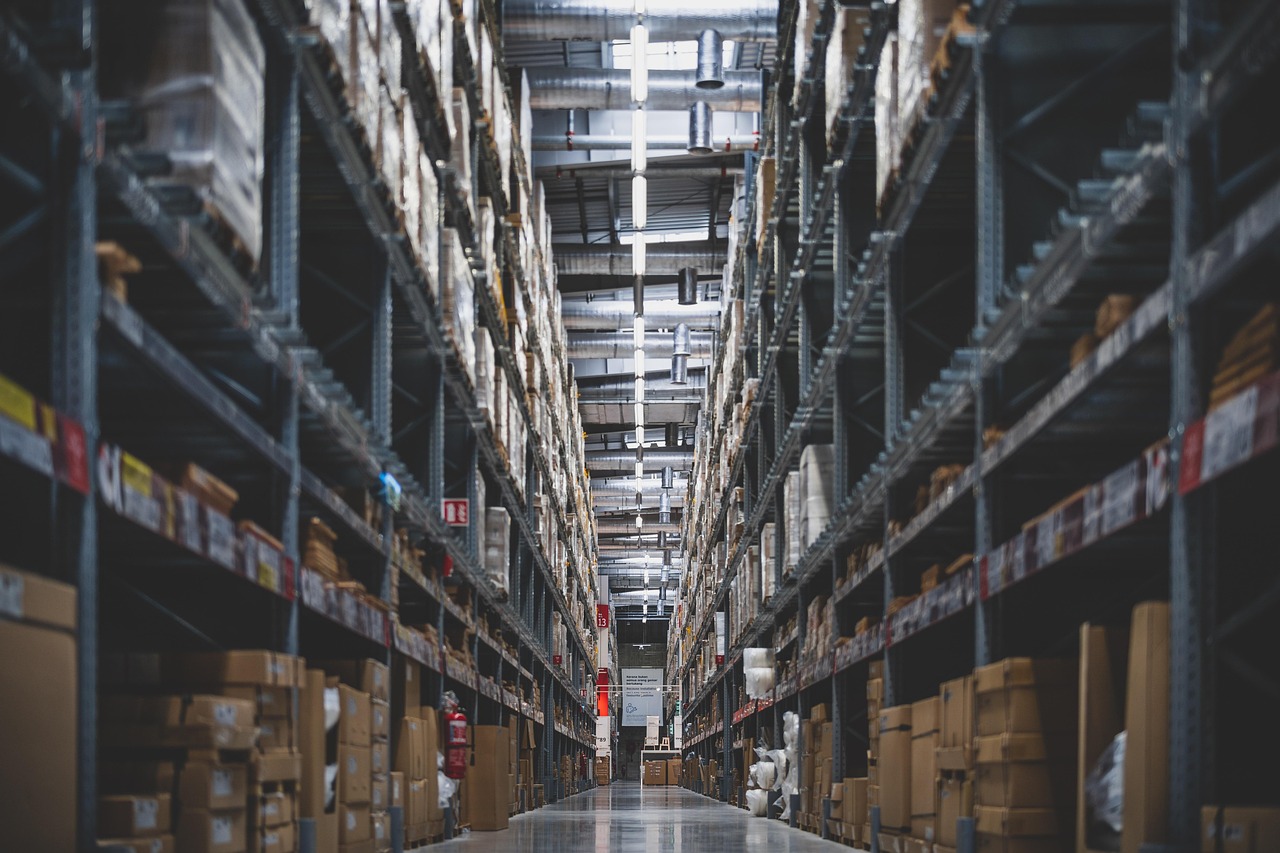
Almost every industry sits on inventory it can’t use — overstock, discontinued lines, cancelled orders, near-dated stock. Left alone, it becomes a write-off and a storage bill. A surplus marketplace turns that dead weight back into revenue by connecting it with the buyers who actually want it.

What is a surplus marketplace?
A surplus marketplace is a dedicated channel where businesses list excess, overstock, or discontinued inventory for other businesses to buy — usually at a discount. It’s a structured way to recover value that would otherwise be lost.
Why every industry sits on excess inventory
Forecasts miss, orders get cancelled, product lines change, minimums force over-ordering. Excess inventory isn’t a sign of bad management — it’s a normal cost of doing business. The question is whether it becomes a loss or a second sale.
How a surplus marketplace works
- List — sellers post surplus with quantities, condition, and price.
- Match — buyers searching for a deal find stock they can use now.
- Move — inventory clears fast, freeing cash and warehouse space.
- Repeat — automated scheduling keeps fresh surplus flowing without manual effort.
Beyond recovery: the sustainability angle
Selling surplus instead of scrapping it keeps usable product out of landfills. Recovering revenue and reducing waste turn out to be the same move — a rare win that’s good for the balance sheet and the planet.
Making it automatic
The best surplus programs run themselves. Built into an industry intelligence platform, a surplus marketplace with automated scheduling keeps listings fresh and buyers engaged — exactly how Packaura handles surplus for the packaging industry.
Frequently asked questions
What is a surplus marketplace?
A surplus marketplace is a platform where businesses list excess, overstock, or discontinued inventory for other businesses to buy — recovering value that would otherwise be written off.
How do businesses benefit from selling surplus?
They recover cash from dead inventory, free up warehouse space, and reduce write-offs — turning a storage cost into a second sale.
Is selling surplus inventory sustainable?
Yes. Reselling usable product instead of scrapping it keeps it out of landfills, so recovering revenue and cutting waste happen at the same time.
Ready to bring new intelligence to your industry? Talk to Quantum Shift Industries.
Ready to power-up your industry?
For partners and operators ready to bring new intelligence to their industry — this is where it starts.
 Intelligence that moves industries · hello@qs.industries